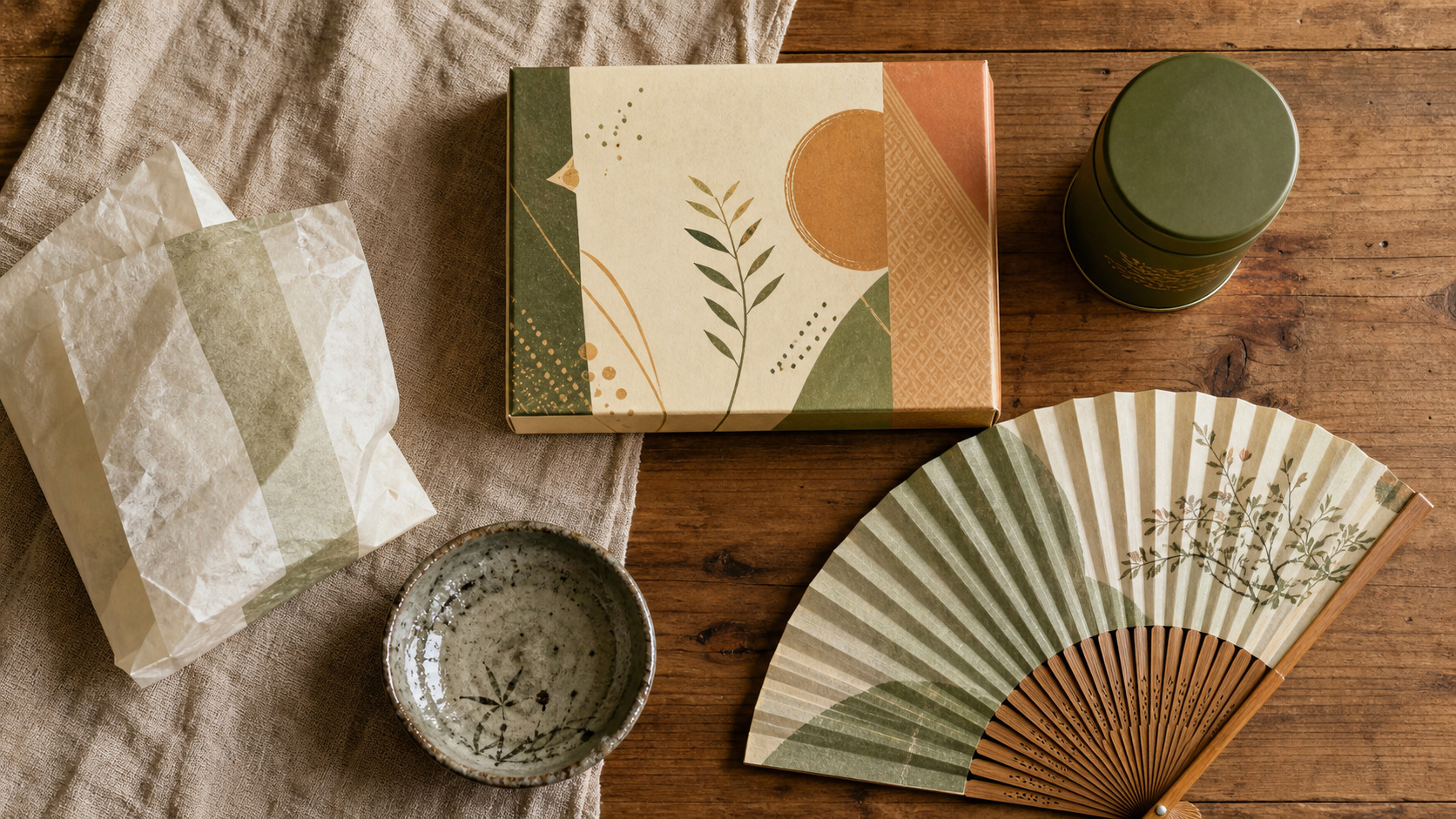
Most souvenir shops near major train stations sell the same handful of generic keychains and shortbread cookies regardless of what city you’re actually in. The better finds take a little more looking, but not much — most of what’s worth bringing home is sold in ordinary convenience stores, department store basements (depachika), and drugstores, not tourist shops.
Snacks worth packing an extra suitcase for
- Regional KitKats — Japan produces dozens of limited, region-specific flavors (wasabi, sake, hōjicha, purple sweet potato) not sold outside the country, making them one of the most genuinely collectible, easy-to-pack souvenirs available
- Tokyo Banana — a soft banana-cream sponge cake sold almost exclusively at Tokyo stations and the airport, and a classic example of an omiyage (the specific Japanese tradition of bringing edible souvenirs back for coworkers and family)
- Royce’ chocolate (from Hokkaido, sold nationwide in airports) — the “Potato Chip Chocolate” line in particular is an unusual, well-loved gift
- Matcha and hōjicha tea — sold at every price point from convenience-store tins to serious tea-shop grades in Kyoto and Uji
Everyday goods locals actually use
- Japanese stationery — brands like Kokuyo, Midori, and Tombow make pens, notebooks, and washi tape that stationery enthusiasts specifically travel to Japan to stock up on
- Kitchen knives — cities like Kappabashi in Tokyo and Sakai near Osaka are known for genuinely high-quality, well-priced kitchen knives, a step up from a typical souvenir
- Furoshiki (wrapping cloths) — a traditional, reusable alternative to gift wrap, sold in beautiful patterns and genuinely useful long after the trip
- Skincare and drugstore beauty products — Japanese drugstore skincare (Hada Labo, Bihaku brands, sunscreen in particular) has a strong reputation and is significantly cheaper bought locally than imported
Something with more craft behind it
- Ceramics — regional pottery styles (Mino, Arita, Kutani) vary significantly by region and make for a souvenir with actual provenance, sold everywhere from department stores to small studio shops
- Folding fans (sensu) — functional and genuinely beautiful, available at wildly different price points depending on whether you want a souvenir-shop version or an artisan one
- Chopsticks — lightweight, easy to pack, and available in everything from lacquerware to simple painted wood
Where to actually shop
- Depachika (department store basement food halls) — the single best place for high-quality snacks and gift-boxed food, with samples usually available
- Don Quijote — chaotic, huge, and open late, genuinely useful for a wide mix of snacks, cosmetics, and novelty items in one stop
- 100-yen shops (Daiso, Seria) — worth a browse for well-designed, cheap everyday goods that make easy, low-stakes gifts
- Airport departure halls — often stock region-specific omiyage from across the country, useful if you’re flying out of Tokyo or Osaka without having visited every region in person
Practical notes
- Customs limits: Check your home country’s rules on bringing in food products (especially anything containing meat) before packing snacks
- Fragile items: Ceramics and lacquerware are usually well-packaged for travel on request — ask staff, especially at proper craft shops
- Best timing: Save souvenir shopping for your last day or two rather than carrying purchases through the rest of your trip
Worth the suitcase space?
Definitely — the best Japanese souvenirs aren’t in the tourist shops at all, but in ordinary department store basements and drugstores, priced for locals rather than visitors. A little detour into a depachika on your last day usually beats anything found near a temple gift shop.