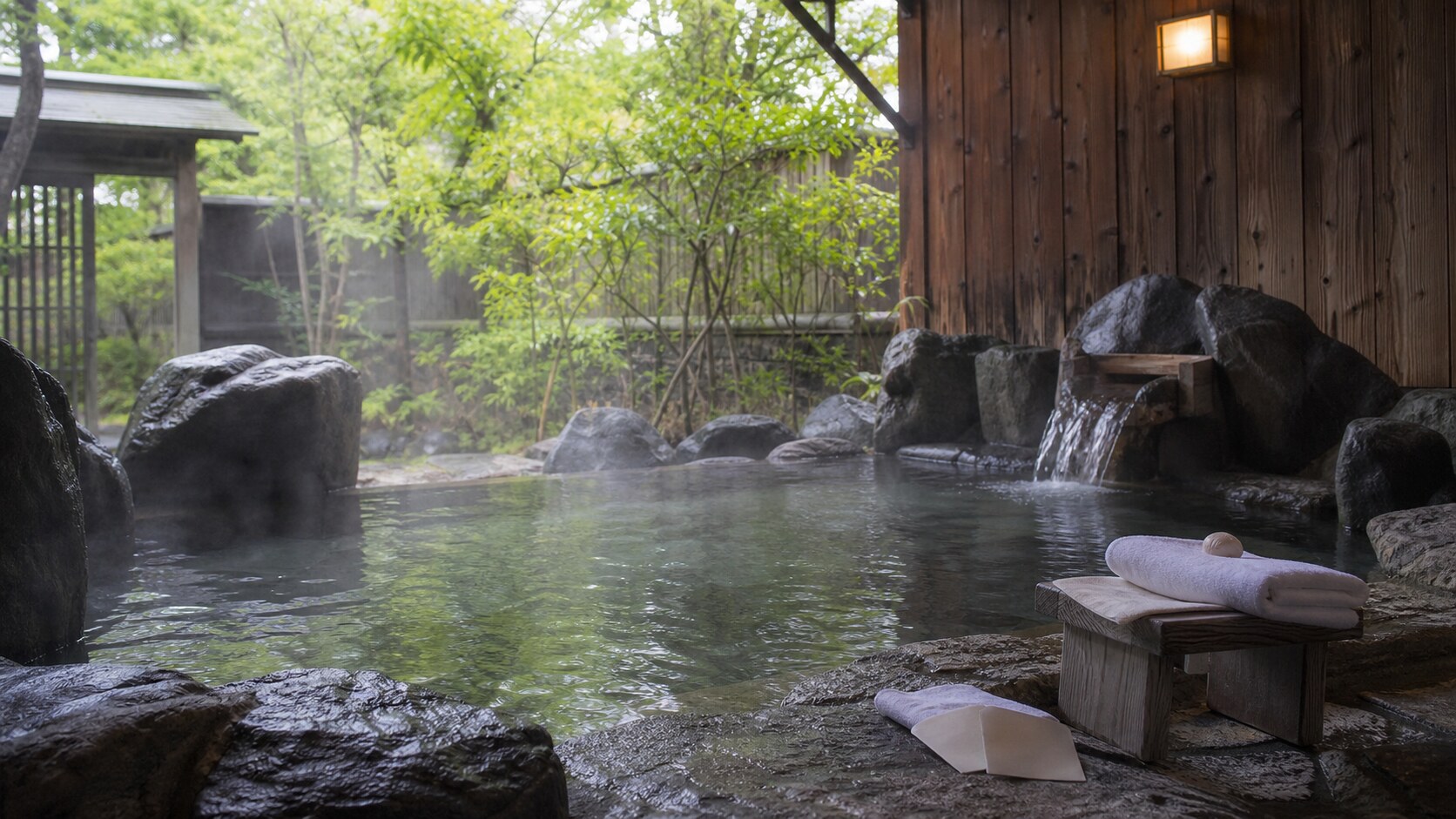
There is no national law banning tattoos from onsen — the rule is set individually by each bathhouse, and roughly half now allow them in some form. The restriction traces back to tattoos’ historical association with yakuza, not a hygiene or religious rule, which is why enforcement is so inconsistent: some onsen refuse any visible ink outright, others accept a small tattoo covered with a waterproof seal, and a growing number (including some major resort groups) don’t restrict tattoos at all. Assuming every onsen has the same policy is the mistake that leads to an awkward turn-away at the entrance.
Why the tattoo rule exists at all
From the Edo period onward, tattoos in Japan carried an association with punishment and later with yakuza (organized crime) identity, and that stigma outlasted the practices that created it. Japan’s Tourism Agency has actually published guidance encouraging onsen to reconsider blanket bans, and attitudes are visibly shifting — but individual bathhouse owners still set their own policy, so the shift isn’t complete or uniform.
Three reliable ways to handle it
- Message the facility ahead of time. Many ryokan and onsen list contact info specifically for this question, and getting a direct answer beats guessing.
- Carry waterproof cover seals for small tattoos. These are widely available in Japan (drugstores and some convenience stores) and are the standard workaround accepted by bathhouses that only object to visible ink, not ink itself.
- Book a private (kashikiri) bath or a room with an in-room onsen. This sidesteps the question entirely and is increasingly common at ryokan aimed at international guests — worth prioritizing when booking if you have larger tattoos.
The basic etiquette everyone should know before their first onsen
- Wash thoroughly before entering the bath. Shower stations with seating are provided specifically for this — the bath itself is for soaking, not washing.
- No swimwear. Onsen are used nude; this surprises some first-timers but is universal across traditional public baths.
- Keep your towel and hair out of the water. A small towel is typically used for modesty while walking, then set aside (often folded on your head or the bath’s edge) before soaking.
- Tie up long hair. Hair touching the communal water is considered unhygienic and is one of the more consistently enforced rules across all onsen.
Public onsen vs. private ryokan baths
Public onsen (sento or larger bathhouse facilities) tend to have the strictest and most consistently enforced tattoo policies, since they serve a broad local clientele. Ryokan with their own baths — especially those actively marketing to international travelers — are more likely to be flexible or offer private bathing options. If tattoos are a concern, a ryokan stay with an attached bath is generally the lower-friction choice over a standalone public bathhouse.
FAQ: Onsen etiquette and tattoos
Can I go to an onsen with tattoos in Japan? It depends entirely on the individual bathhouse — there’s no nationwide ban. Contacting ahead, using a cover seal for small tattoos, or booking a private bath are the three reliable ways to avoid being turned away.
Why are tattoos associated with a ban at some onsen? Historically, tattoos in Japan were linked to yakuza (organized crime) identity, and that association still shapes some bathhouses’ policies, even as attitudes and tourism guidance shift toward more inclusive practices.
Do I need to bring my own towel to an onsen? Most facilities rent or sell small towels if you don’t bring one, so it’s rarely a dealbreaker to show up without one — but bringing your own avoids an extra small purchase.
Is it rude to wear a swimsuit in an onsen? Yes, in traditional onsen — bathing is done nude, and wearing swimwear is generally not permitted. Some newer “swimsuit onsen” or mixed leisure bath facilities are the exception, and they’re clearly marketed as such rather than being the norm.